Efficient Load Sequencing: How Pros Pack a Moving Van
Anyone who has stood beside an empty moving van at 8 a.m. knows the feeling: the day looks simple until the first sofa goes in, and suddenly every box matters. Efficient load sequencing is the difference between a van that settles neatly, travels safely, and unloads without drama, and one that turns into a shifting pile of regret. This guide explains Efficient Load Sequencing: How Pros Pack a Moving Van in plain English, with the practical order, real-world logic, and small details that experienced movers rely on. If you are planning a home move, a flat move, or even a small commercial job, the principles are much the same.
There is a knack to it, yes. But it is not magic. It is planning, weight distribution, access, and a bit of patience when the van is still half empty and everyone wants to just "get the big stuff in". Let's face it, that's when mistakes happen.
Table of Contents
- Why Efficient Load Sequencing Matters
- How Efficient Load Sequencing Works
- Key Benefits and Practical Advantages
- Who This Is For and When It Makes Sense
- Step-by-Step Guidance
- Expert Tips for Better Results
- Common Mistakes to Avoid
- Tools, Resources and Recommendations
- Law, Compliance, Standards, or Best Practice
- Options, Methods, or Comparison Table
- Case Study or Real-World Example
- Practical Checklist
- Conclusion
- Frequently Asked Questions
Why Efficient Load Sequencing: How Pros Pack a Moving Van Matters
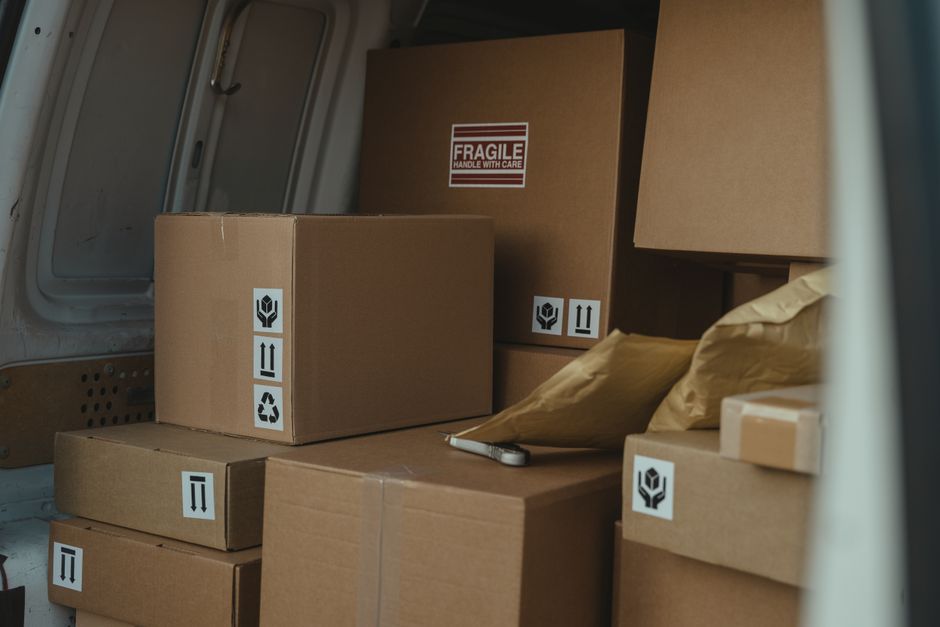
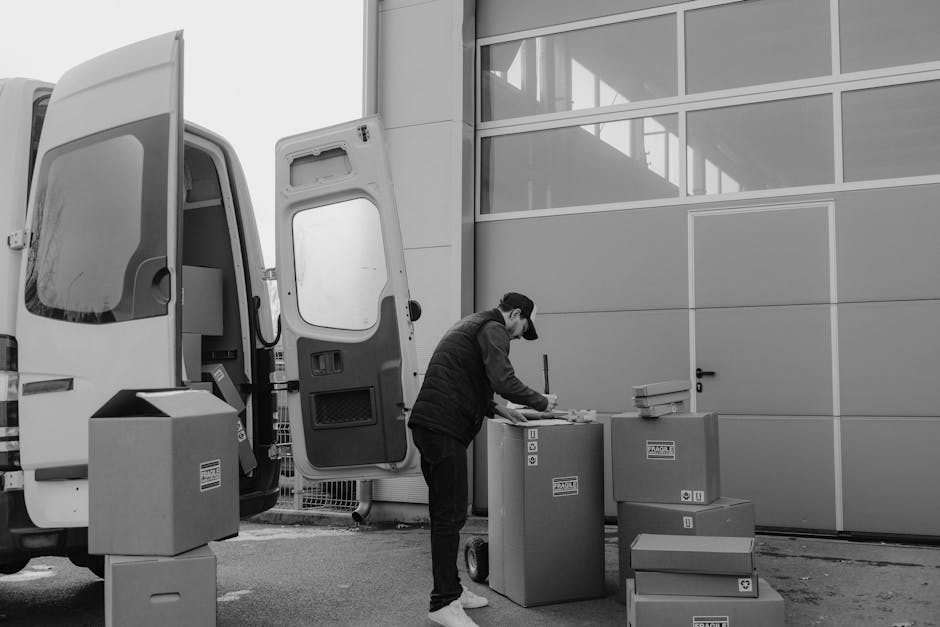
Load sequencing is the order in which items are placed into the moving van. Pros do not load randomly and hope for the best. They think about the vehicle like a puzzle with moving parts: heavy items at the base, stable items first, fragile items protected, and everything arranged so it cannot slide, topple, or crush something else.
Why does that matter so much? Because a badly loaded van creates avoidable problems very quickly. Boxes get crushed. Mirrors flex. Sofas block access to smaller items. You lose time on the driveway. You lose time again at delivery. And if the load is unstable, the drive itself becomes riskier.
For a home move, this can mean fewer trips and less stress. For a business move, the stakes are even higher. An office relocation can stall if desks, filing cabinets, IT boxes, and chairs are not loaded in a sequence that matches the unpacking order. If you are moving a workplace, a service like office relocation services becomes much more effective when the van is packed with the destination layout in mind.
There is also a cost side to it. Poor sequencing wastes vehicle space. That can mean a larger van than you really needed, a second journey, or extra labour time. Nobody enjoys paying for avoidable inefficiency. Not exactly a thrill, is it?
How Efficient Load Sequencing: How Pros Pack a Moving Van Works
Professional load sequencing follows a simple principle: load for stability, then for access, then for delivery order. In practice, that means the heaviest and most solid items go in first, close to the cab and on the floor. Medium-weight items build a firm middle layer. Lighter and more fragile items finish the stack, often near the rear door so they can be unloaded quickly.
Pros also sequence by category. Furniture, boxes, soft items, and awkward-shaped pieces are all handled differently. A solid wardrobe might form a vertical anchor point. Mattresses can act as side buffers. Labelled boxes can be grouped by room. If you are using a man and van service for a smaller move, this ordering becomes even more important because space is tighter and there is less room for correction.
Another thing experienced movers do: they protect the van itself. Blankets, straps, and edge protection are not afterthoughts. They are part of the sequence. A load that moves half an inch every mile can become a mess by the time you reach the new place, especially on roundabouts, speed humps, and the usual stop-start traffic you get across London on a weekday morning.
In short, load sequencing is not just "put big things in first". It is a deliberate system:
- create a stable base
- lock heavy items against movement
- fill voids so items cannot shift
- protect fragile surfaces and corners
- keep priority items accessible for unloading
Key Benefits and Practical Advantages
A well-sequenced moving van does more than look tidy. It makes the whole move feel calmer. You notice it immediately when the first door opens and the load stays exactly where it should. That little moment matters more than people expect.
1. Better safety on the road
A secure load is less likely to move, tip, or damage the van interior. That lowers the chance of breakage and reduces the risk of a hazardous shift in weight while driving. Heavy items that sit low and tight are simply safer.
2. Faster loading and unloading
When the sequence follows the delivery order, movers do not have to dig through the van for a kettle, a box of cables, or the bed frame screws. That saves a surprising amount of time. For a family move, it means you can make the kitchen usable sooner. For a business move, it means staff can get back to work faster.
3. Better use of van space
Space efficiency is one of the biggest wins. Proper sequencing lets you nest smaller items into larger gaps, use soft items to cushion spaces, and build layers that use the full height of the van. This is where a dedicated moving truck or removal truck hire can be especially useful for larger jobs, because volume and loading access become key planning factors.
4. Less physical strain
Good sequencing reduces needless lifting, reshuffling, and awkward re-handling. You are not moving the same box three times because it was put in the wrong place the first time. Your back will thank you. Quietly, of course.
5. A cleaner, more controlled move
There is a neatness to a well-packed van. It is not just aesthetic. It reflects a controlled process. That matters for confidence, and confidence is useful on moving day when everything else is already slightly chaotic.
| Sequencing Approach | What It Prioritises | Best For | Main Risk if Done Poorly |
|---|---|---|---|
| Heavy-first loading | Stability and base strength | House moves, furniture-heavy jobs | Crushing lighter items if gaps are not filled |
| Room-by-room loading | Unloading order and organisation | Family homes, flats, staged moves | Unbalanced weight if not planned carefully |
| Priority-access loading | Quick retrieval at delivery | Office moves, same-day setups | Reduced space efficiency if overused |
Who This Is For and When It Makes Sense
Efficient load sequencing helps almost anyone moving by van, but it is especially useful for people with mixed loads. That is where problems start. A van full of identical boxes is easy. A van with a sofa, lamp, wardrobe, half a kitchen, a bike, three plants, and a child's toys? Different story.
This approach makes the most sense if you are:
- moving from a flat with limited access or tight parking
- using a man with van service and need the load done quickly
- relocating a household with both furniture and fragile items
- moving an office and need certain equipment unloaded first
- collecting bulky second-hand pieces using furniture pick up
- trying to complete a full move in one trip rather than two
If your move is very small, the method may be simpler. If it is very large, the sequence becomes more like logistics planning. In fact, many people only realise this halfway through when they are staring at a pile of boxes in the hallway and asking, "Right, where does the bed go now?"
For home movers, the help of home moves or house removalists support can be especially valuable where stairs, narrow hallways, or time pressure make a careful sequence harder to manage alone.
Step-by-Step Guidance
If you want the practical version, here it is. This is the sequence most pros follow, even if they adapt it to the shape of the job.
Step 1: Sort by weight, fragility, and access
Before the first item goes in, sort the load into three groups: heavy and sturdy, medium and stackable, and fragile or priority-access items. This sounds basic, but skipping it is how people end up with a van packed like a cupboard after a power cut.
Step 2: Build the base with the heaviest items
Load large, solid items first and place them directly on the floor. Think washing machines, chests of drawers, metal frames, solid tables, and flat-packed boxes of books. Keep these tight against the cab or forward bulkhead if available. The idea is to create a foundation, not a floating island.
Step 3: Add large furniture to form side walls
Set up sofas, wardrobes, mattresses, and tables so they help form a secure corridor through the van. Pros use these pieces to create structure. They are not merely "big things"; they are load anchors.
Step 4: Fill the voids with medium boxes
Once the large items are in place, slide boxes, cushions, soft bags, and smaller furniture into the gaps. This is where sequencing becomes efficient rather than just heavy. Any empty space is an invitation for movement, and moving is what you want to stop.
Step 5: Place fragile items higher and protected
Fragile boxes, lamps, picture frames, and mirrors should sit above the sturdy base and be cushioned with blankets or soft items. Do not press delicate items into a load just because there is room. Room is not the same as safety.
Step 6: Keep priority items accessible
Pack the first-night essentials near the rear door or in a clearly separated zone. That might include bedding, charger boxes, kettle items, cleaning supplies, or the toolkit needed to rebuild furniture. You do not want to unstack half the van at 6 p.m. looking for a saucepan.
Step 7: Strap, check, and re-check
Use straps where appropriate and check for movement before closing the van. Walk around the load and look for any item that can shift under braking. A five-minute check can save a very long evening.
Expert summary: The best van load is not the one packed the fastest. It is the one that holds firm, travels cleanly, and unloads in the order the new home or office actually needs.
Expert Tips for Better Results
These are the little details that separate a decent move from a polished one. Nothing dramatic. Just the sort of things seasoned movers do almost automatically.
Use soft items as fillers, not dump zones
Blankets, duvets, cushions, and soft bags are brilliant for filling gaps. But if you throw them in randomly, they become part of the mess. Keep them ready to tuck into spaces around furniture edges and between box stacks.
Think in layers, not piles
A pile suggests randomness. A layer suggests control. Try to build from the floor upwards, with each level supporting the next. You will get a more stable van and a calmer unload.
Label boxes by room and urgency
This matters more than people think. "Kitchen - first day", "Bedroom - bedding", "Office - cables" are much more useful than a vague scribble. Clear labels allow the unloading sequence to match the load sequence.
Keep a small tool kit handy
Tape, a knife or scissors, a torch, Allen keys, and a couple of spare ties are worth keeping close. The moment you cannot find them is always the moment you need them. Funny how that works.
Don't pack by memory alone
If you are moving from a larger home or handling a mixed household move, make a quick plan on paper or in your notes app. Where does the bed go? Which boxes need first access? What must be loaded last so it comes out first? That tiny bit of forethought is often the difference between smooth and scruffy.
Match the vehicle to the load
Sometimes sequencing cannot fix an undersized van. If the load is physically too dense or awkward, it may be better to use a larger vehicle from the start. That is where checking pricing and quotes alongside the vehicle choice is a sensible move, because the cheapest option on paper is not always the best value on moving day.
Common Mistakes to Avoid
Most loading mistakes are predictable, which is annoying because it means they are also avoidable. The good news? Once you know what not to do, the whole process gets easier.
1. Putting fragile items in first
It feels harmless until heavier items start leaning against them. Fragile things should be protected and positioned with intent, not used as accidental packing filler.
2. Creating unstable vertical stacks
Boxes stacked too high without a firm base wobble on the road. If a stack sways when you touch it, it will probably sway more in transit. That is a simple rule worth remembering.
3. Leaving empty gaps
Empty spaces let items move. Even a small gap can become a shift point when the van brakes suddenly. Fill voids with softer, lighter pieces.
4. Blocking access to essentials
If the kettle, bedding, charger, and basic tools are buried behind the sofa and two wardrobes, the unload becomes slower and more frustrating than it needs to be.
5. Ignoring weight distribution
Weight should be balanced side to side, and generally kept lower rather than higher. If one side of the van becomes much heavier, handling can feel off. You may not notice it in the driveway, but you might notice it on the road.
6. Assuming "fitted in" means "secure"
This one catches people out. An item can fit in the van and still not be safe there. Secure loading is about restraint, not just spatial fit.
Tools, Resources and Recommendations
You do not need specialist kit to load a van properly, but a few basic tools make a huge difference. Most pros would treat these as part of the job, not optional extras.
- Removal blankets: protect wood, glass, corners, and polished surfaces
- Ratchet straps or load straps: help lock larger items in place
- Furniture dollies or trolleys: reduce strain when moving heavy pieces to the van
- Box labels: speed up sequencing and unloading
- Protective wrap: useful for mattresses, upholstered pieces, and drawers
- Work gloves: improve grip and reduce scrapes
For more hands-on support, some customers choose packing and unpacking services so the items are already grouped and labelled in a way that makes loading more efficient. That can be especially helpful if you are short on time or moving with children underfoot, which, to be fair, is its own kind of logistics challenge.
If you are concerned about the condition of items in transit, it is worth reading a company's insurance and safety information before booking. And if the move includes worn furniture or unwanted pieces, a sensible clean-out phase can be paired with recycling and sustainability practices so you are not taking clutter into the next property.
Law, Compliance, Standards, or Best Practice
Moving van load sequencing is mostly a practical discipline, but there are still relevant standards of care. In the UK, loads should be secured properly so they do not endanger people, the vehicle, or other road users. The exact legal duties can vary by vehicle type and job context, so it is sensible to treat secure loading as non-negotiable best practice rather than a loose preference.
From an operational point of view, a moving team should also consider manual handling safety, safe access around the vehicle, and the condition of ramps, straps, and equipment. A tidy loading sequence is not just efficient; it also helps reduce trips, awkward lifts, and rushed decisions. That matters on narrow streets, in shared driveways, and when lifts or stair access slows everything down.
Commercial and office moves may have extra planning needs, especially if the job involves IT equipment, records, or items that must be handled with care. If you are arranging a business move, a service such as commercial moves can help align the loading sequence with operational priorities.
It is also sensible to check a provider's published policies. Pages such as health and safety policy, terms and conditions, and payment and security can help you understand how the company works and what standards they expect to follow. Small detail, but it builds trust.
Options, Methods, or Comparison Table
There is no single loading method that suits every move. The right choice depends on what you are moving, how far you are going, and how soon you need access to items at the other end.
| Method | How It Works | Advantages | Drawbacks |
|---|---|---|---|
| Room-by-room loading | Load one room's items together | Easier to unpack and label | Can create uneven weight if not planned |
| Heavy-to-light sequencing | Build from the floor up with the largest items first | Very stable and space-efficient | Needs clear planning for access items |
| Priority-first sequencing | Load the first-needed items last so they unload first | Fast setup at destination | Can reduce packing density if overdone |
For many domestic moves, a hybrid approach works best. Heavy items go in first, but the load is still grouped so that the kitchen, bedroom, and essentials are easy to identify. For more structured relocations, especially where timing matters, a larger vehicle from removal truck hire may give you the flexibility to sequence more cleanly.
Case Study or Real-World Example
Here is a simple real-world example from a typical two-bedroom flat move. The customer had a sofa, bed, dining table, two wardrobes, and around thirty boxes, plus a couple of fragile lamps and a stack of kitchen items. Nothing unusual. The problem was access: a narrow stairwell, a parking bay a short walk away, and limited time before building restrictions kicked in.
The loading plan was built in this order:
- wardrobes and bed frame pieces as the base layer
- sofa and dining table to create side support
- book boxes and sturdy kitchen boxes in the floor voids
- mattress and soft furnishings as protective buffers
- fragile boxes and lamps in upper accessible positions
- essentials bag and toolkit near the rear door
The result was simple but effective. Nothing had to be re-handled, and the first unload included bedding, the kettle box, and the assembly tools. The moving day still had the usual little hiccups - a corner snag here, a box that needed a second look there - but the van itself was calm and controlled. That is often the real win.
For a similar small move, a man with van service can work very well if the load is sequenced well and the most important items are placed for easy access.
Practical Checklist
Use this checklist before the doors close. It keeps the loading sequence honest.
- Heavy items are on the floor and secured first
- Large furniture forms a stable structure
- Fragile items are protected and not crushed
- Void spaces are filled so items cannot move
- Boxes are labelled by room and priority
- First-night essentials are easy to reach
- Straps, blankets, and protection are in place
- No item wobbles when pressure is applied
- Weight is balanced across the van
- The unload order makes sense at the destination
If you can tick most of those off, you are already ahead of the average moving day. And yes, average moving day is a bit chaotic. That is just the truth.
Conclusion
Efficient load sequencing is one of those moving skills that looks simple from a distance and becomes quietly impressive up close. It saves time, protects belongings, reduces stress, and makes the whole move feel more under control. Whether you are moving a family home, shifting office equipment, or hiring a van for a smaller one-off job, the logic stays the same: build stability first, protect the fragile stuff, and keep the unload in mind while you pack.
The best movers are not necessarily the fastest hands in the room. They are the people who understand the order behind the rush. That is the real trick. Not glamorous. Just effective.
If you are planning a move and want a more organised start, take a moment to compare the type of vehicle, the service level, and the support you need. A thoughtful loading plan now usually means a calmer evening later.
Get a free quote today and see how much you can save.
Frequently Asked Questions
What is efficient load sequencing in a moving van?
It is the planned order in which items are loaded so the van stays stable, space is used well, and the right items come out first at the destination.
What goes in first when packing a moving van?
Heavy, solid items usually go in first, placed low and tight against the van structure. That creates a stable base for everything else.
Should I load boxes or furniture first?
Usually furniture and other large solid items go first, then boxes are fitted into the gaps. The exception is when a very heavy box is being used to anchor a base layer.
How do professionals stop items moving in transit?
They use a combination of tight placement, layered stacking, straps, blankets, and careful gap-filling so nothing has room to slide.
Is room-by-room loading better than weight-based loading?
Room-by-room loading helps with unpacking, but weight-based loading is better for stability. Many pros use a blend of both.
How do I load fragile items safely?
Keep them protected, cushioned, and placed above sturdy items rather than under pressure. Mirrors, lamps, and frames should not be buried at the bottom of the van.
What is the biggest mistake people make when loading a van?
Leaving empty spaces and assuming items are secure just because they fit. Fit and stability are not the same thing.
Do I need straps for a small move?
Not always, but they are useful whenever you have furniture, stacked boxes, or anything that could shift under braking or corners.
Can efficient load sequencing save money?
Yes. It can reduce wasted space, avoid extra trips, and lower the need for a larger vehicle or extra handling time.
Does this matter for office moves as well as house moves?
Absolutely. In office relocations, the sequence can affect how quickly teams get back to work and how safely equipment arrives.
How do I decide what should be unloaded first?
Think about what you need immediately: bedding, tools, chargers, kettle items, or setup equipment. Load those so they are easiest to reach later.
When should I use a bigger van or truck instead of squeezing everything in?
If the load is dense, awkward, or likely to become unstable, a larger vehicle is often the safer and more efficient choice. It is better to have a bit of breathing room than a van packed to the rafters.
For extra reassurance before booking, you can review the company's about us information and check practical details such as contact us for service questions or pricing and quotes if you are still comparing options. Sometimes that final bit of clarity makes all the difference.