Zero-Waste Moving: Eco-Friendly Packing and Disposal Tips
Moving house has a way of exposing everything you own at once. The half-used candles, the drawer of tangled cables, the mystery box from three years ago... it all comes out. And that is exactly why Zero-Waste Moving: Eco-Friendly Packing and Disposal Tips matters. A move can create a surprising amount of waste, but with a bit of planning, you can cut down on cardboard, plastic, broken items, and last-minute landfill trips.
This guide is for anyone who wants a calmer, cleaner move without the usual pile of bin bags at the end. You will find practical packing ideas, smarter ways to donate or recycle unwanted items, and a realistic step-by-step approach that works whether you are moving a flat, a family home, or a small office. To be fair, nobody makes a perfect zero-waste move every time. But you can get much closer than most people think.
We will also cover what to do with furniture, how to choose reusable packing materials, and where eco-conscious moving services can help. If you are comparing support options, it can be useful to look at packing and unpacking services, home moves, or even man and van support depending on the size of your move.
Table of Contents
- Why Zero-Waste Moving Matters
- How Zero-Waste Moving Works
- Key Benefits and Practical Advantages
- Who This Is For and When It Makes Sense
- Step-by-Step Guidance
- Expert Tips for Better Results
- Common Mistakes to Avoid
- Tools, Resources and Recommendations
- Law, Compliance, Standards, or Best Practice
- Options, Methods, or Comparison Table
- Case Study or Real-World Example
- Practical Checklist
- Conclusion
- Frequently Asked Questions
Why Zero-Waste Moving: Eco-Friendly Packing and Disposal Tips Matters
Moving is one of those life admin tasks that quietly produces a lot of waste. Think about the layers: packing paper, tape, bubble wrap, bin liners, duplicate purchases, unwanted furniture, old paperwork, and things that were "useful" until the very moment you had to carry them down the stairs. If you are not careful, a single move can generate far more rubbish than a normal month at home.
A zero-waste approach reduces that impact by reusing what you already have, choosing recyclable or compostable materials where possible, and making sure unwanted items are donated, sold, repaired, or recycled instead of simply thrown away. It is not about being perfect. It is about making better decisions at each stage of the move.
There is also a practical side. Less waste often means less clutter, less stress, and fewer boxes to carry. You end up packing with more intention. That matters when you are trying to keep track of keys, documents, chargers, and the kettle you need first thing in the morning. Small efficiencies add up quickly.
For households and businesses alike, the environmental case is obvious, but there is a lifestyle benefit too. A move gives you a rare chance to reset. Do you really want to transport three broken stools, four chipped mugs, and a shoebox full of mystery adapters to a new address? Probably not. It is a good moment to lighten the load.
If sustainability matters to you beyond the moving day itself, it may be worth exploring a company's broader approach to recycling and sustainability. That can give you a sense of how carefully waste, reuse, and disposal are handled.
How Zero-Waste Moving: Eco-Friendly Packing and Disposal Tips Works
The basic idea is simple: reduce, reuse, recycle, and only dispose of what has genuinely reached the end of its life. In practice, that means planning before the boxes come out of the loft. The earlier you start, the easier it is to sort your belongings into sensible streams.
A good zero-waste move usually happens in four stages:
- Declutter early - separate items you will keep, donate, sell, recycle, repair, or bin.
- Pack using reusable materials - choose sturdy containers, fabrics, paper, and borrowed supplies where possible.
- Move with care - protect items properly so you do not create waste through damage.
- Dispose responsibly - arrange collection, donation, recycling, or specialist disposal for the rest.
That sounds straightforward, but the quality of the outcome depends on the details. For instance, a pile of old newspapers can work well for wrapping crockery, but wet newspaper is a mess and makes recycling harder later. A reusable plastic tote may seem like a small thing, yet it can remove the need for several cardboard boxes and layers of tape. Little decisions, every step of the way.
There is also a timing issue. If you leave decluttering until the night before the move, you will probably bag everything quickly and hope for the best. If you begin a few weeks ahead, you can test whether items are worth selling, whether bulky furniture needs a collection, or whether the council's recycling options are enough. That extra time makes the whole process much calmer.
For larger relocations, especially when transporting furniture or mixed household items, a service such as furniture pick up can be useful if you need help moving items on to donation, reuse, or collection points. Not everything has to go in a skip. Far from it.
Key Benefits and Practical Advantages
A zero-waste move is not just about being environmentally responsible. It often makes the move itself easier, tidier, and more cost-efficient. Here are the benefits that people actually feel in real life.
- Less clutter to transport - fewer unnecessary items means a more manageable move.
- Lower packing material use - reuse-based packing reduces the need to buy supplies you will only use once.
- Better organisation - sorting items by keep, donate, recycle, and dispose makes unpacking simpler.
- Reduced disposal stress - you are less likely to be stuck with a mountain of mixed rubbish after moving day.
- More room for useful items - when you take less junk, you can protect the things that matter more.
There is another advantage people often forget: decision fatigue is lower. Once you have a system, you are not reopening the same box six times because you are unsure what to do with it. That sounds trivial, but on moving day, it really is not. Ask anyone who has tried to pack a kitchen while keeping one eye on a van outside in the rain.
For business moves, the benefits can include better records management, cleaner disposal of old equipment, and a more professional handover. If you are relocating a workplace, it can be worth reviewing office relocation services or, for larger asset moves, commercial moves. Those services can help keep reuse and disposal organised rather than last-minute and chaotic.
Who This Is For and When It Makes Sense
Zero-waste moving is useful for almost everyone, but it makes particular sense in a few situations.
- Home movers who want to avoid overbuying packing materials and sending usable items to landfill.
- Renters who need to move quickly and do not want to leave behind piles of packing waste.
- Families downsizing after a long tenancy, a life change, or a move to a smaller home.
- Businesses relocating offices, clearing storage, or replacing furniture.
- People with bulky furniture or mixed household goods that need sorting before the move.
It also makes sense if you are already trying to live a lower-waste lifestyle and do not want the move to become a random exception. Truth be told, moving can undo good habits fast. One rushed weekend and suddenly there are ten plastic bags, three rolls of tape, and a pile of broken packing materials in the hallway.
If your move is small and simple, you may only need a few eco-friendly adjustments. If it is a large house move or a commercial relocation, a more structured approach is worth it. In those cases, looking at house removalists or a vehicle option like moving truck support can help you match the move size to the right level of service.
Step-by-Step Guidance
Here is a practical way to plan a lower-waste move without making it overly complicated. Use this as a working method, not a rigid rulebook.
1. Start with a room-by-room sort
Go room by room and divide items into four categories: keep, donate or sell, recycle, and dispose. Do not wait until packing day to do this. That is where mess creeps in. A spare bag under the sink, a forgotten cord in the drawer, a broken lamp in the cupboard - they all have a way of reappearing late in the process.
2. Use what you already have
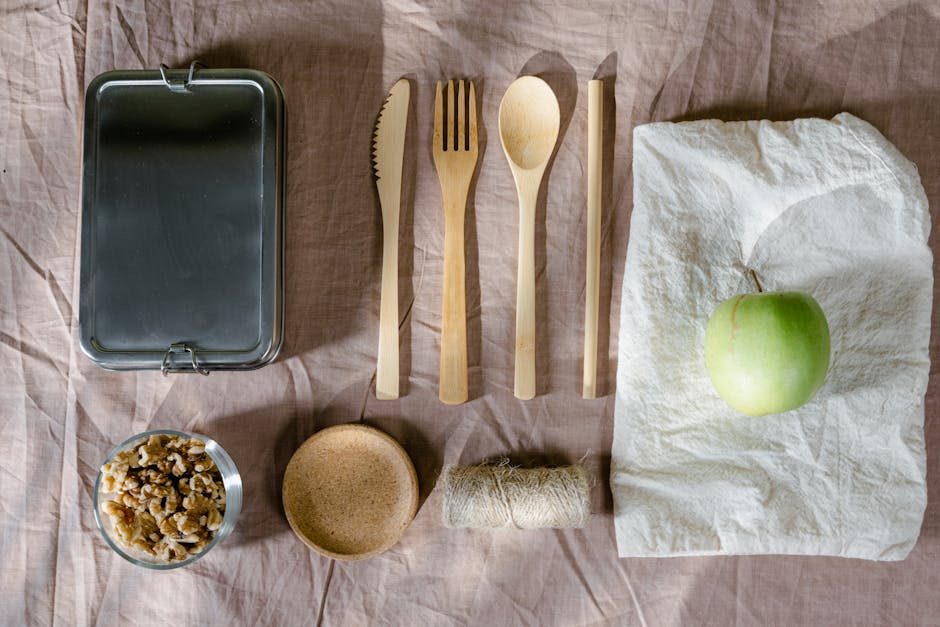
Before buying any supplies, look at what is already in the house. Suitcases, laundry baskets, drawers, storage tubs, reusable shopping bags, and even clean pillowcases can all help. Soft items like towels, T-shirts, and bedding can wrap fragile objects very well. A stack of jumpers does a fine job around mugs, and it feels pleasantly practical too.
3. Borrow or source reusable packing materials
Where possible, ask local shops, neighbours, or friends if they have clean boxes or crates. Reusable crates and lidded containers are especially useful for kitchenware, books, and toiletries. If you are hiring help, check whether they can advise on suitable packing formats through packing and unpacking services.
4. Label for reuse, not just destination
Label boxes clearly and, if possible, note whether they contain items that should be unpacked, donated, repaired, or stored. It helps avoid that awkward moment when a box of donation items gets mixed back in with your new home essentials. Happens more than people admit.
5. Separate donation, sale, and recycling streams
Keep each stream physically separate. One corner for charity items, another for things to sell, another for recycling. This prevents accidental contamination, which is one of the most common reasons perfectly good items end up being disposed of improperly.
6. Dispose of only the true end-of-life items
Broken furniture, irreparable electronics, damaged textiles, and contaminated packaging may need disposal. But even then, check if there is a reuse or recycling route first. Some items can be collected or redirected more responsibly than people assume.
7. Plan the final sweep
Do one last check of cupboards, lofts, sheds, and under-bed storage. Those are the usual hiding places. They always are. Keep a final bag for loose items like batteries, lightbulbs, keys, or small cables that should not be left behind.
Expert Tips for Better Results
Once you have the basics in place, a few practical habits can make the move noticeably cleaner and smoother.
- Use tape sparingly - enough to secure boxes, not so much that every box becomes hard to recycle later.
- Flatten and stack as you go - it keeps packing space tidy and helps you see what supplies you still need.
- Keep fragile items visible - a small "fragile" note and a clear packing list can prevent breakage and waste.
- Avoid overfilling boxes - damaged boxes often mean damaged items and unnecessary replacement purchases.
- Schedule disposal early - bulky collections, recycling trips, and donation drop-offs are easier before the moving week.
One useful trick is to create a "last in, first out" box for the new place. Put in items you will need immediately: kettle, toiletries, charging cables, basic tools, snacks, bin bags, and one set of sheets. It sounds simple, but it stops you opening six boxes at midnight looking for a toothbrush. We have all been there, or close enough.
If you are moving heavier items or a full household, a flexible vehicle option such as man with van support can be a sensible middle ground. For bigger loads, removal truck hire may suit better, especially if you want to make fewer trips and reduce fuel use through consolidation.
Common Mistakes to Avoid
The biggest waste problems during a move usually come from rushed decisions. The good news is that most of them are avoidable.
- Buying too many new boxes when reusable containers would do the job.
- Mixing recyclables with general waste and making the whole batch harder to process.
- Leaving decluttering to the last minute, which turns "donate" into "throw away."
- Packing broken or unwanted items "just in case" and carrying waste to a new home.
- Forgetting about electronics and batteries, which often need separate handling.
- Assuming all cardboard is recyclable even when it is heavily taped, stained, or contaminated.
Another common issue is emotional packing. That is the one where every item becomes a maybe. Maybe keep it. Maybe sell it. Maybe repair it. Maybe pack it. Maybe deal with it later. Later rarely comes. In practice, you need a deadline and a simple rule: if something has not been used, needed, or loved for a long time, it may not deserve space in the move.
For bulky items that are still usable, consider whether collection or pickup is a better option than disposal. That is especially relevant for wardrobes, sofas, office desks, and surplus stock. In some cases, a furniture pick up service can make the handover much cleaner.
Tools, Resources and Recommendations
You do not need specialist equipment to move more sustainably, but a few tools help a lot.
| Tool or material | Why it helps | Best use |
|---|---|---|
| Reusable plastic crates | Strong, stackable, and often usable many times | Kitchenware, books, office files |
| Old towels, sheets, and clothing | Replaces single-use wrapping material | Fragile items, mirrors, dishes |
| Paper tape or minimal tape use | Can reduce packaging contamination | Box sealing and light wrapping |
| Label maker or paper labels | Improves sorting and unpacking | Every box, especially mixed loads |
| Donation bags or boxes | Keeps reusable items separate | Clothing, books, homewares |
| Basic toolkit | Prevents damage during dismantling and reassembly | Furniture, shelving, beds |
On the service side, choose support that matches the size and complexity of the move. Smaller relocations may only need transport, while larger homes or business moves may benefit from a fuller service. You can review pricing and quotes if you are comparing options, and it is worth checking practical details such as insurance and safety before booking anything valuable or fragile.
It is also sensible to understand a company's broader standards. For example, the policies around health and safety and about us can give you a clearer sense of how they operate and what kind of service culture you can expect. Not glamorous, maybe, but very useful.
Law, Compliance, Standards, or Best Practice
When you are moving, waste handling should still follow normal UK best practice. That means you should dispose of rubbish responsibly, separate recyclables where your local authority asks for it, and avoid leaving items in inappropriate places. Some materials may need special handling, especially electronics, batteries, paint, chemicals, or bulky waste.
Because local council rules can vary, it is smart to check your local recycling and waste collection guidance before the move. What is accepted in one borough may be handled differently in another. That is not a nuisance just for the sake of it; it reflects differences in collection systems and processing routes.
For businesses, record-keeping can matter as well. If you are clearing offices or disposing of equipment, make sure duty-of-care expectations are taken seriously. In plain English: keep track of who takes what, and do not hand over waste to an unverified operator. If you need extra reassurance, review the provider's stated procedures for terms and conditions and their approach to responsible service.
Ethical sourcing and operations matter too. A company's modern slavery statement may not be the first thing people think about when moving house, but it is part of a wider trust picture. Responsible businesses tend to show their standards in more than one place.
One more thing: if you are disposing of items in a rush, do not assume a single skip or bin is the answer. Sometimes a proper collection, reuse route, or dedicated recycling visit is the safer and cleaner choice. It saves headaches later. A small bit of planning here goes a long way.
Options, Methods, or Comparison Table
Different moving methods suit different waste-reduction goals. The trick is choosing the one that matches your volume, timing, and tolerance for hassle.
| Method | Best for | Eco advantage | Trade-off |
|---|---|---|---|
| Borrowed boxes and household containers | Small to medium moves | Very low new material use | Needs more planning and returns |
| Reusable crates | Organised home or office moves | Minimal waste, strong protection | May require hire or collection logistics |
| Standard cardboard boxes with reuse focus | Most home moves | Easy to source, recyclable if kept clean | Still creates more waste than reusable crates |
| Full packing support | Busy households, large moves, fragile items | Reduces damage and wasted materials when done well | May use more professional packing supplies |
| Self-managed move with sorted disposal | People with time and energy | Strong control over recycling and donations | Can become tiring without a clear plan |
If you are trying to balance practicality with sustainability, there is no single perfect option. Sometimes the greener choice is the one that reduces damage and repeat trips, even if it is not the most minimal on paper. A van that fits everything in one run may be better than three car loads and a pile of crushed packaging, for example.
Case Study or Real-World Example
Imagine a couple moving from a two-bedroom flat in London to a house a few miles away. They start three weeks before moving day. First, they sort the spare room, then the kitchen, then wardrobes and storage boxes. They find duplicate mugs, a broken bedside table, two bags of good clothing, and a set of shelves that no longer fits the new place.
Instead of boxing everything up, they use laundry baskets for soft items, wrap plates in towels, and borrow sturdy boxes from a friend. The good clothing goes to donation. The shelves are dismantled and checked for reuse. The broken table is not packed at all. It is separated early for proper disposal. They book a transport option that suits the size of the move and keep one box for immediate essentials.
By the time moving day arrives, they do not have a mountain of mixed rubbish waiting at the door. There is still some waste, of course. There always is. But it is smaller, cleaner, and much easier to handle. The unpacking is calmer too, because they are not sorting their old mess while trying to make the new place liveable.
That is the real value of a zero-waste approach. Not perfection. Just fewer bad surprises.
Practical Checklist
Use this checklist in the days leading up to the move.
- Sort every room into keep, donate, sell, recycle, and dispose.
- Use existing bags, boxes, baskets, and suitcases before buying anything new.
- Collect reusable packing materials like towels, sheets, and paper wrap.
- Keep donation items separate from keep items.
- Check local recycling guidance for batteries, electronics, and bulky waste.
- Arrange pickup or drop-off for large reusable items.
- Label boxes clearly, including fragile and essentials boxes.
- Minimise tape, plastic wrap, and single-use filler where possible.
- Keep one immediate-use box for the first night.
- Do a final sweep of cupboards, lofts, sheds, and under furniture.
- Choose a transport option that fits the move size and reduces repeated trips.
- Confirm any service details, safety information, and quote terms before booking.
Expert summary: The cleanest move is usually the one planned early, packed with reuse in mind, and finished with separate streams for donation, recycling, and responsible disposal. Keep it simple, keep it sorted, and do not leave the messy decisions for the last hour.
Conclusion
Zero-waste moving is really about making a complicated day feel more deliberate. If you plan ahead, reuse what you already own, and separate items properly before they become rubbish, your move becomes lighter in every sense. Less waste. Less stress. Less scrambling for bags and tape at the end of the day.
It also gives you a better start in the new place. You are not carrying old clutter forward just because it was easier. You are choosing what deserves to come with you. That is a small shift, but it changes the feel of a move quite a lot.
If you are organising a home or business relocation and want to keep things efficient, responsible, and well handled, it can help to compare support options, ask the right questions, and make sustainability part of the brief from the start. And honestly, that bit of care shows.
Get a free quote today and see how much you can save.
Better still, start with one drawer, one shelf, one box. The momentum builds quickly, and once it starts, the whole move feels more manageable. A bit of calm goes a long way.
Frequently Asked Questions
What does zero-waste moving actually mean?
It means reducing avoidable waste during a move by reusing packing materials, donating or recycling unwanted items, and disposing of only what truly cannot be reused. It is a practical approach, not an all-or-nothing rule.
How far in advance should I start a zero-waste move?
Ideally, start a few weeks ahead. That gives you time to sort items properly, arrange donations or collections, and avoid the rushed "just bin it" approach that creates the most waste.
What are the best eco-friendly packing materials?
Reusable crates, suitcases, laundry baskets, towels, sheets, and clean boxes you already have are often the best starting point. If you need wrapping, soft household textiles usually work well for fragile items.
Can I still be eco-friendly if I use cardboard boxes?
Yes. Cardboard boxes can still be a sensible choice, especially if they are reused, kept clean, and recycled properly after use. The key is to avoid buying more than you need and to use them carefully.
What should I do with furniture I do not want to take?
Check whether it can be donated, sold, repaired, or collected for reuse before treating it as waste. If it is damaged beyond use, arrange responsible disposal rather than leaving it for the last minute.
How do I dispose of broken electronics during a move?
Broken electronics often need separate handling, so check local recycling guidance or a specialist collection route. Do not mix them with general household waste unless your local service clearly allows it.
Is hiring movers still compatible with a zero-waste approach?
Absolutely. In fact, a well-planned move with the right vehicle or service can reduce damage, repeat trips, and wasted materials. The key is to brief the mover on your packing and disposal plans early.
What is the easiest way to reduce moving waste fast?
Start by decluttering and using what you already own. That one step cuts down on packing materials, transport volume, and the number of items that need disposal later.
Should I recycle all cardboard from moving boxes?
Only if it is clean and accepted by your local recycling system. Heavily taped, wet, oily, or contaminated cardboard may not be suitable. Flatten it, remove excess tape where practical, and follow local guidance.
How do I keep donation items separate from rubbish?
Use clearly labelled boxes or bags and place them in a different part of the room from the items you are keeping. It sounds basic, but separation is what stops usable things from being thrown away accidentally.
Are there services that can help with eco-friendly moving and disposal?
Yes. Depending on the size of the move, you may benefit from packing help, transport, furniture collection, or a larger vehicle option. For comparison, you can review home moves, house removalists, and removal truck hire to see what fits best.
How can I make a business move less wasteful?
Separate assets, office supplies, and waste streams early. Decide what can be reused in the new space, what should be donated or sold, and what needs proper disposal. For larger workplace projects, office relocation services can help bring order to the process.
Where can I ask for advice or a quote?
If you are planning a move and want practical guidance on the right service level, packaging help, or collection options, it is sensible to contact the team directly and ask early. A quick conversation can save a lot of uncertainty later.